
Complete Guide to Modern Wastewater Treatment Methods
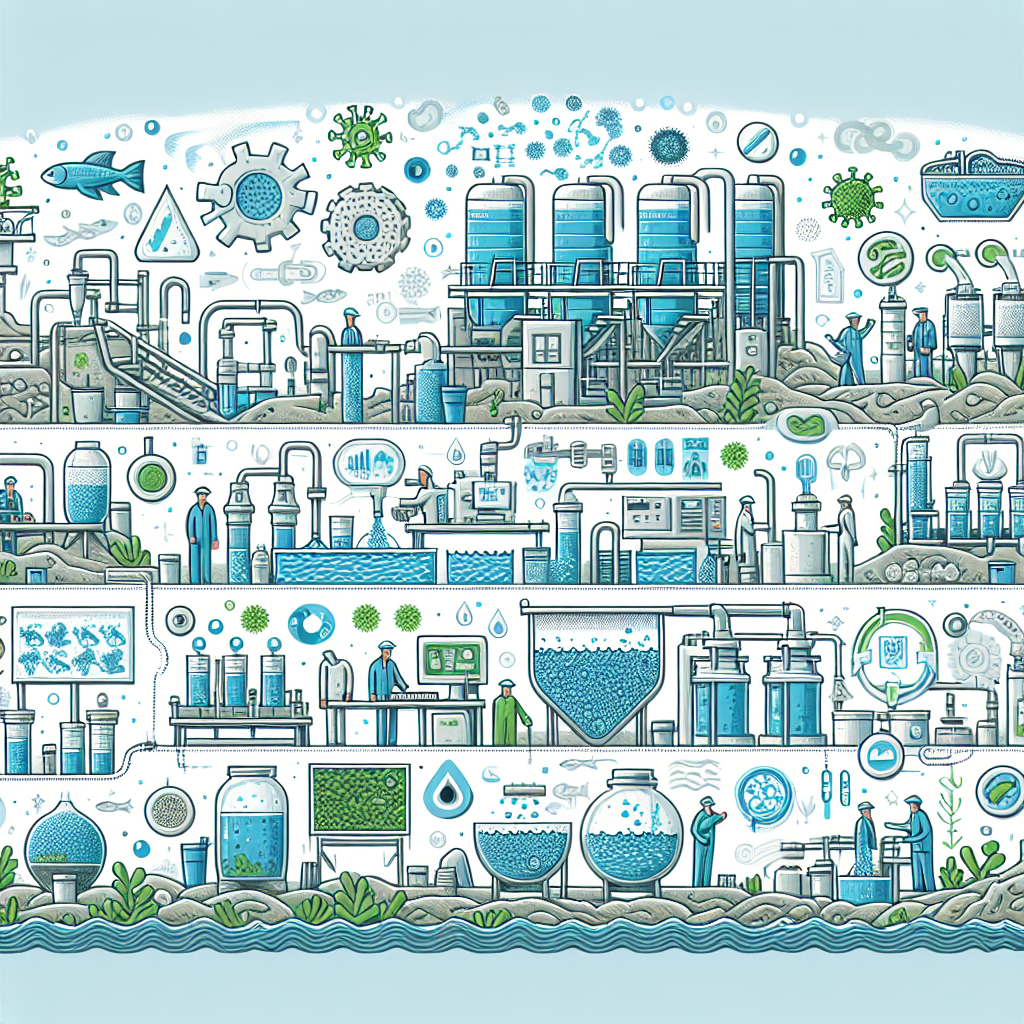
Complete Guide to Modern Wastewater Treatment Methods
Introduction
Welcome to the fascinating world of treatment of wastewater, where science meets sustainability and innovation dances with necessity! If you’ve ever wondered what happens to the water that swirls down your drain after a particularly epic bubble bath or that last-minute spaghetti dinner, you’re in for a treat. Spoiler alert: it’s more complex than a plot twist in a telenovela!
As urban populations grow and industries churn out more waste than a toddler at a birthday party, effective wastewater management has become crucial. From municipal facilities to industrial giants, everyone is looking for ways to ensure that our precious water resources are treated, recycled, and reused rather than just tossed away like yesterday’s leftovers.
In this guide, we’ll dive deep into the various methods of sewage treatment think of it as your ultimate cheat sheet for all things related to water purification. We’ll explore everything from the basics of primary treatment to advanced techniques like membrane bioreactor systems and anaerobic digestion. And yes, we’ll even touch on the environmental impact of wastewater treatment because who doesn’t love a good plot twist?
But wait there’s more! We’ll also cover sustainable solutions that not only clean our water but also help us reclaim it for future use. Imagine a world where every drop counts a world where wastewater recycling and innovative technologies are at the forefront of our efforts to combat water pollution. Sounds dreamy, right?
This guide sits within the broader body of wastewater treatment reference material on this site, which covers the full sequence from collection through disposal in greater depth than any single methods overview can.
Key Takeaway: Understanding the treatment of wastewater is essential not just for engineers and municipalities but for anyone who cares about our planet’s health. Join us as we unravel the complexities and unveil solutions that could change how we view wastewater forever!
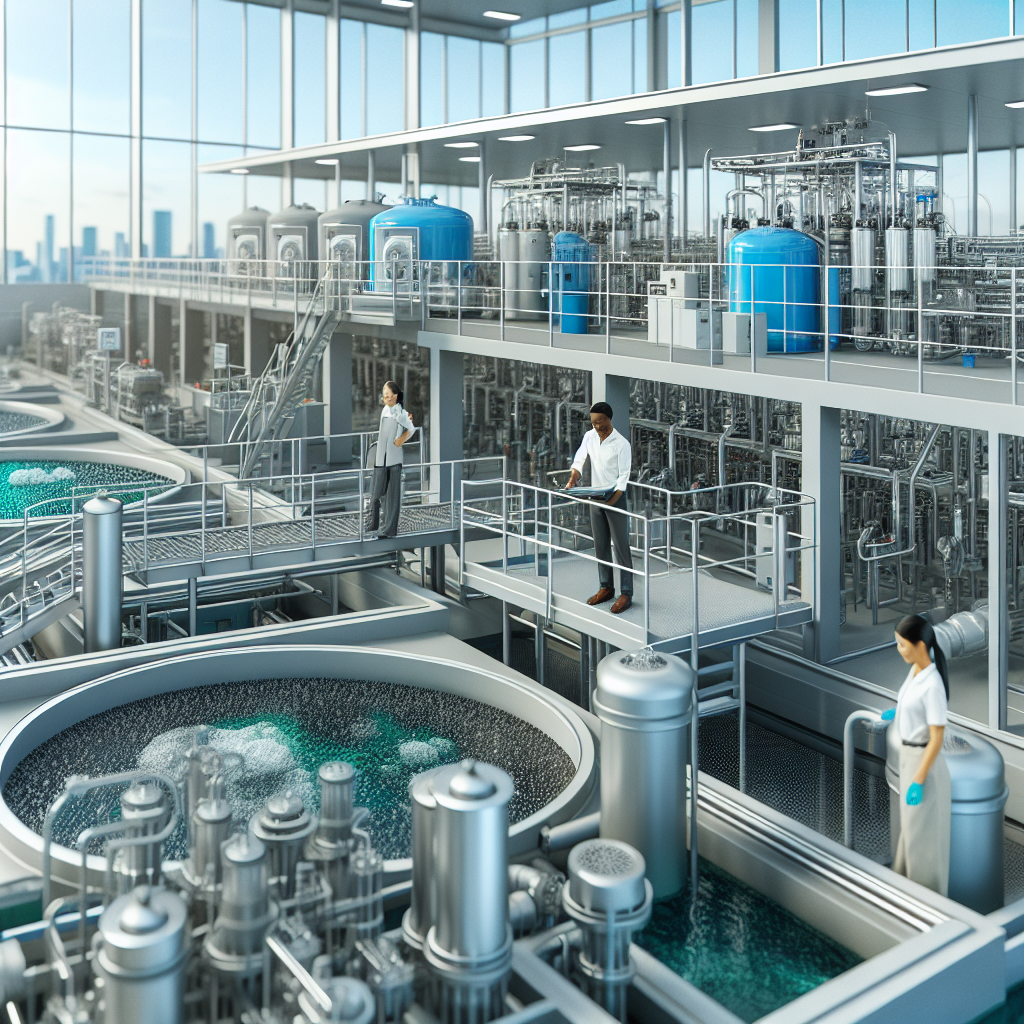
Understanding Wastewater Treatment
Welcome to the world of wastewater treatment, where we turn the yucky into the usable! But before we dive deep into the nitty-gritty, let’s start with the basics.
- Definition of Wastewater and Its Sources: Wastewater is essentially any water that has been used and is no longer suitable for its original purpose. Think of it as water that has been through a lot be it from our homes (domestic sewage), industries (industrial wastewater), or stormwater runoff. It’s like a water party gone wrong!
- Importance of Treatment of Wastewater: Why bother treating wastewater? Well, untreated wastewater can be a cocktail of pollutants, pathogens, and nutrients that can wreak havoc on our ecosystems and public health. The treatment of wastewater is crucial for protecting water quality, ensuring safe effluent discharge, and promoting sustainable practices in our communities.
- Overview of Wastewater Management Principles: Effective wastewater management isn’t just about cleaning up; it’s about doing so sustainably. This includes ensuring compliance with effluent discharge regulations, utilizing advanced technologies for nutrient removal in wastewater, and integrating strategies like greywater recycling systems to minimize waste.
Did you know? According to recent studies, effective treatment of wastewater can reduce water pollution by up to 90%, significantly improving the health of aquatic ecosystems!
The journey from sewage to clean water involves various stages: primary, secondary, and tertiary treatment methods. Each step plays a vital role in ensuring that what goes back into our rivers and oceans is not just safe but also sustainable.
This process is akin to a multi-step skincare routine just as we wouldn’t want to slather on makeup without cleansing first, we certainly don’t want to discharge untreated sewage back into nature!
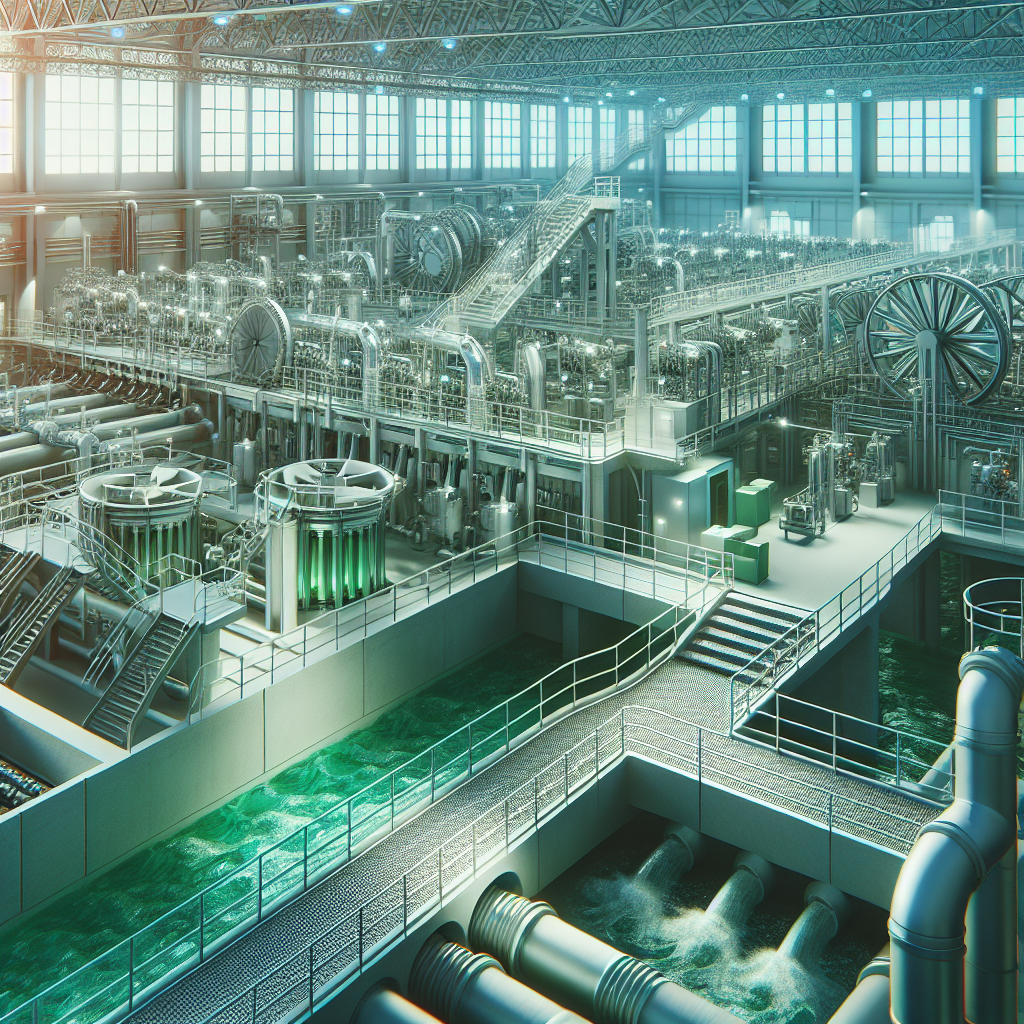
In conclusion, understanding the treatment of wastewater isn’t just for engineers or municipal workers; it’s essential knowledge for anyone who wants to contribute to a cleaner planet. So next time you flush or wash your hands, remember there’s a whole system working behind the scenes to keep our water clean!
Types of Wastewater Treatment Methods
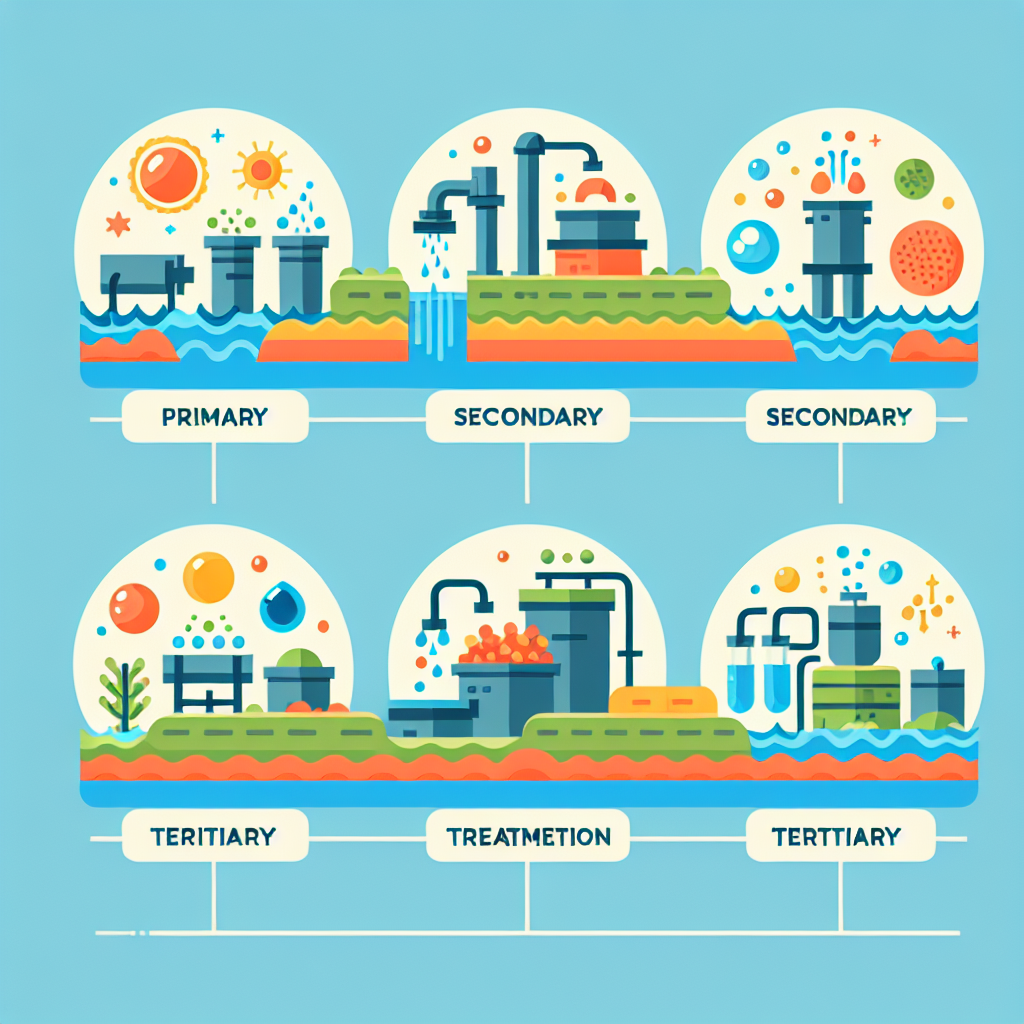
When it comes to the treatment of wastewater, there are several methods that municipalities and industries can employ to ensure that our water remains clean and safe. Think of these methods as the superheroes of the water world, each with its own unique powers to combat pollution! Let’s dive into the main types:
-
Primary Treatment of Wastewater
This is like giving wastewater a quick rinse before it goes for a deep clean. During primary treatment, large solids are removed through processes like screening and sedimentation. This step is crucial for reducing the load on subsequent treatment stages.
-
Secondary Treatment of Wastewater
Here’s where things get serious! Secondary treatment uses biological processes to remove dissolved and suspended organic matter. This method often involves the activated sludge process, which utilizes microorganisms to consume pollutants. Think of it as a buffet for bacteria!
-
Tertiary Treatment of Wastewater
The final touch! Tertiary treatment focuses on polishing the effluent further by removing remaining contaminants, including nutrients like nitrogen and phosphorus. Advanced techniques such as membrane bioreactor systems or chemical treatments come into play here, ensuring top-notch water quality before discharge.
Municipal and Industrial Scope
The three-stage sequence above describes municipal practice, where influent characteristics are relatively predictable and dominated by domestic organic loading. Industrial treatment starts from a different premise. Influent composition is dictated by a specific manufacturing process rather than by population, which means loading can include heavy metals, extreme pH, high fats and oils, refractory organics, or thermal load, and can change within minutes when a production line switches over. The resulting treatment trains often invert municipal logic, placing physical-chemical processes such as dissolved air flotation, chemical precipitation, or equalization ahead of any biological stage rather than after it. Facilities discharging to a publicly owned treatment works face categorical pretreatment standards rather than direct discharge limits, which changes the compliance target as well as the process. The subcategory overview below points to the sector-specific material covering that side of the field in depth.
Key Takeaway: Each stage in the treatment of wastewater plays a pivotal role in achieving high standards of water quality improvement. Skipping steps can lead to environmental issues down the line!
Subcategory Overview
This guide covers municipal treatment methods at the level of what each process does and where it fits. Two adjacent bodies of material carry the subject further in directions this overview deliberately does not: one into the industrial sector, where influent characteristics and compliance targets differ fundamentally from municipal practice, and one into the calculation and specification work that turns a selected method into a buildable design. Each is summarized below.
Industrial Water Treatment Solutions
The complete guide to industrial water treatment solutions addresses treatment where the influent is defined by a manufacturing process rather than by a served population. That distinction drives everything downstream. Industrial streams routinely carry heavy metals, extreme pH, high fats and oils, refractory organics, or thermal load, and composition can shift within minutes when a production line changes over, which makes equalization a first-order design element rather than an optional buffer. Treatment trains frequently invert municipal logic by placing physical-chemical processes — dissolved air flotation, chemical precipitation, membrane separation — ahead of any biological stage rather than after it. Compliance targets differ too: facilities discharging to a publicly owned treatment works are subject to categorical pretreatment standards and local limits set by the receiving utility, not to direct discharge permits. Engineers moving between the two worlds should expect sector-specific effluent limitation guidelines, higher chemical intensity, and lifecycle economics dominated by chemical and residuals cost rather than by aeration energy.
Water and Wastewater Treatment Design
The comprehensive water and wastewater treatment design guide picks up where method selection ends and turns a chosen process into dimensioned, specifiable infrastructure. Selecting activated sludge over an SBR is a judgment; establishing the basin volume that judgment implies is a calculation, and the governing parameter differs by process — solids retention time and food-to-microorganism ratio for suspended growth, hydraulic and organic loading rate for fixed film, detention time for lagoons, and contact time for disinfection. Design work also carries the constraints a methods discussion can skip: hydraulic profile and available head across the plant, firm capacity and redundancy requirements under applicable design standards, peaking factors applied to average flow, and the material and equipment specifications that make a design procurable. Anyone preparing a preliminary engineering report, a basis of design, or a plan submittal for regulatory review needs that layer rather than this one.
Comparing Treatment Methods: Selection and Design Basis
Method selection is rarely a question of which process is best in the abstract. It is a question of which process meets the permit at the available site, with the operators the utility can actually retain, at a lifecycle cost the ratepayers can carry. The table below summarizes how the principal biological methods compare on those criteria.
| Method | Typical Application | Footprint | Operator Skill Demand | Key Limitation |
|---|---|---|---|---|
| Conventional activated sludge | Municipal plants, roughly 1 MGD and above | Large — aeration basins plus secondary clarifiers | Moderate to high; daily process control | Sensitive to shock loads, sludge bulking, and cold-weather nitrification |
| Sequencing batch reactor (SBR) | Small to medium plants, variable flow | Moderate — no separate clarifier | High; relies on reliable automation | Batch cycles limit hydraulic peaking capacity |
| Membrane bioreactor (MBR) | Constrained sites, reuse-quality effluent | Small | High; membrane integrity and CIP routines | High energy for scour; periodic membrane replacement cost |
| Trickling filter / RBC | Small municipal, low-energy applications | Moderate | Low to moderate | Limited nutrient removal; media and shaft maintenance |
| MBBR / IFAS | Retrofits adding capacity within existing tankage | Small increment on existing basins | Moderate | Media retention screens; aeration demand increase |
| Lagoon systems | Rural systems where land is inexpensive | Very large | Low | Cannot meet stringent nutrient limits without added tertiary stages |
Sizing follows from the selection, and the governing parameter differs by method: solids retention time and food-to-microorganism ratio for suspended growth systems, hydraulic and organic loading rate for fixed film, and detention time for lagoons. Readers moving from method selection into actual sizing, hydraulic profiles, and specification should work from dedicated design guidance rather than a methods overview, since the calculation methodology sits outside this article’s scope. For the plant-wide sequence in which these methods sit — headworks through disinfection and solids handling — see the wastewater treatment process overview.
Biological Wastewater Treatment Techniques
When it comes to the treatment of wastewater, biological methods are like the superheroes of the wastewater world, saving us from pollution one microbe at a time. These techniques harness the power of living organisms to break down harmful substances in sewage, making them essential in both municipal wastewater treatment and industrial wastewater treatment.
Activated Sludge Process
The activated sludge process is akin to a bustling city where microorganisms thrive. In this method, aerated tanks are filled with a mixture of sewage and tiny bacteria. As air is pumped into the tank, these bacteria go to town on the organic matter, breaking it down and converting it into harmless byproducts. This process not only treats wastewater but also helps with nutrient removal in wastewater, making it a two-for-one deal!
Anaerobic Digestion in Wastewater Treatment
If you thought anaerobic digestion was just a fancy term for letting things rot, think again! This method involves breaking down organic matter without oxygen perfect for those smelly sludge heaps we all love to avoid. The end result? Biogas that can be used as renewable energy! It’s like turning trash into treasure while simultaneously tackling sludge management.
Membrane Bioreactor Systems
Now let’s talk about membrane bioreactor systems (MBRs) the high-tech solution to wastewater woes. These systems combine biological treatment with membrane filtration to produce high-quality effluent that meets stringent discharge regulations. Think of MBRs as the VIP lounge of wastewater treatment; they filter out impurities while keeping the good stuff intact. Plus, they’re energy-efficient and perfect for decentralized wastewater systems!
These three represent only part of the field. A fuller survey of suspended growth, fixed film, hybrid, and anaerobic configurations — including trickling filters, rotating biological contactors, MBBR and IFAS, and oxidation ditches — is set out in our overview of biological treatment technologies.
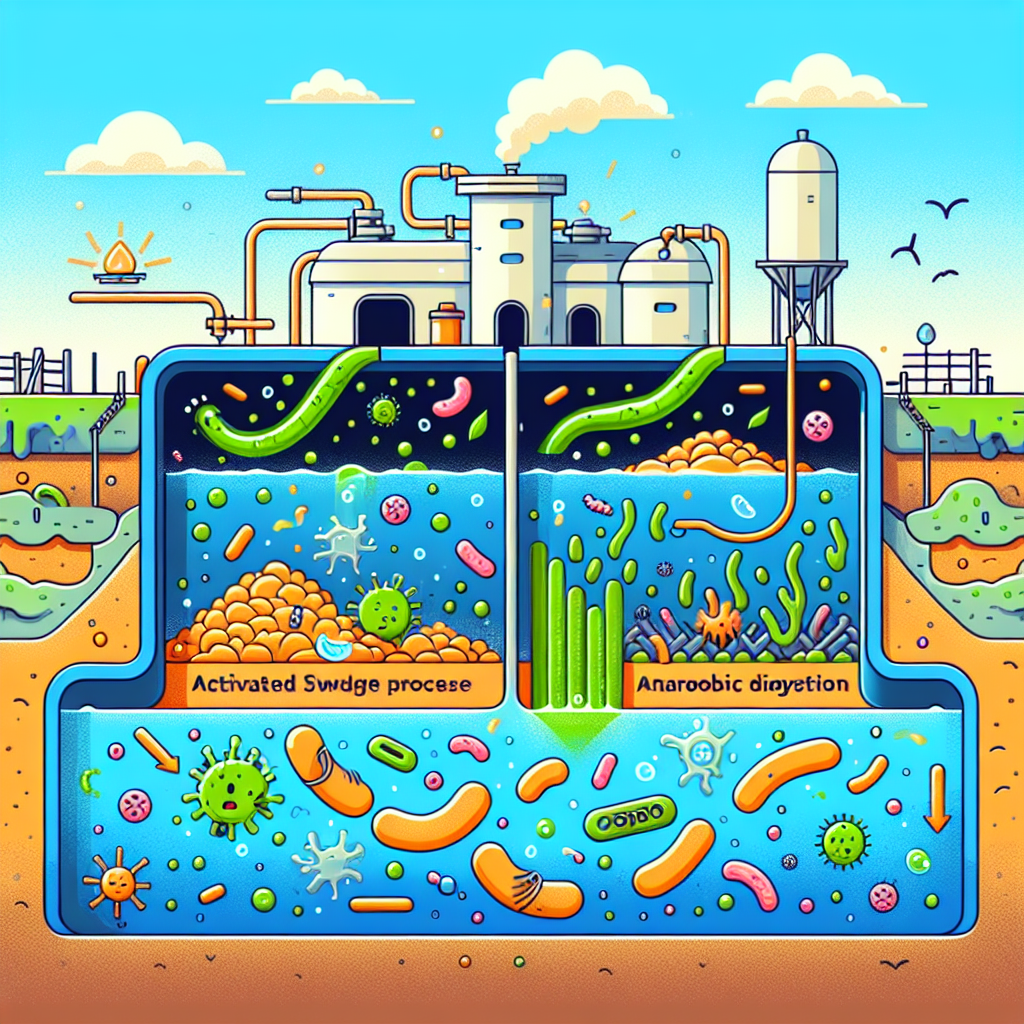
In summary, biological wastewater treatment techniques are not just effective; they’re essential for modern sewage disposal methods. Whether through the bustling activity of activated sludge or the innovative approach of MBRs, these methods contribute significantly to our efforts in water pollution control strategies.
So next time you flush or wash your hands, remember: there’s an army of tiny heroes working behind the scenes to keep our water clean!
Chemical and Physical Wastewater Treatment Methods
When it comes to the treatment of wastewater, chemical and physical methods play a crucial role in ensuring that our water is not just clean, but also safe for the environment. Think of these methods as the superhero sidekicks to biological treatment techniques, swooping in to tackle tough contaminants that bacteria might not handle alone.
Chemical Coagulation and Flocculation
This dynamic duo is like a dance party for particles! In coagulation, chemicals (usually aluminum sulfate or ferric chloride) are added to wastewater to destabilize suspended solids. Once these solids are flocculated, they clump together into larger aggregates that can be easily removed. This process is essential for effective sewage treatment, as it significantly reduces turbidity and prepares the water for further purification.
Advanced Oxidation Processes (AOP)
Imagine AOPs as the ninjas of wastewater treatment swift and stealthy! These processes use powerful oxidants like ozone or hydrogen peroxide combined with UV light to break down complex organic pollutants into harmless byproducts. AOPs are particularly effective in industrial wastewater treatment, where stubborn contaminants lurk around every corner. They can even tackle those pesky endocrine-disrupting compounds that traditional methods struggle with.
Sedimentation and Filtration Techniques
No superhero team is complete without some classic strategies! Sedimentation relies on gravity to settle out heavier solids from liquids think of it as letting your muddy water sit until the dirt sinks to the bottom. Filtration then steps in, acting like a bouncer at an exclusive club, allowing only clean water to pass through while trapping remaining particles. Together, these techniques form a solid foundation for effective effluent treatment.
Did you know? Combining chemical treatments with physical processes can enhance overall water quality improvement and compliance with effluent discharge regulations!
In summary, chemical and physical wastewater treatment methods are essential players in the quest for cleaner water. By employing techniques like coagulation, AOPs, sedimentation, and filtration, we can significantly improve water quality while also paving the way for sustainable wastewater solutions. So next time you flush or drain your sink, remember all the hard work happening behind the scenes!
Sustainable Wastewater Solutions and Innovations
In the quest for cleaner water and a healthier planet, the treatment of wastewater has taken on a new, eco-friendly twist. Traditional methods are getting a makeover as innovative solutions emerge, proving that sustainability and efficiency can go hand in hand. Let’s dive into some cutting-edge sustainable wastewater solutions that are reshaping the landscape of wastewater management.
-
Zero Liquid Discharge Systems (ZLD)
Imagine a world where no drop of water goes to waste. ZLD systems do just that by ensuring that all wastewater is treated and reused, leaving behind zero liquid waste. This method is particularly beneficial for industries where water is precious, like textiles or pharmaceuticals.
-
Constructed Wetlands for Waste Treatment
Who knew that nature could be such a great engineer? Constructed wetlands use natural processes involving wetland vegetation, soils, and associated microbial life to treat wastewater. These systems not only purify the water but also provide habitats for wildlife, making them a win-win for both humans and nature.
-
Phytoremediation in Water Cleanup Efforts
This plant-powered approach uses specific plants to absorb or degrade pollutants in wastewater. Think of it as nature’s very own filtration system! It’s particularly effective for treating heavy metals and nutrients, showcasing how green solutions can tackle tough problems.
Key Takeaway: Sustainable innovations in wastewater treatment not only improve the quality of effluent but also enhance biodiversity and reduce environmental impacts. Embracing these technologies can lead to significant advancements in municipal and industrial wastewater treatment processes.
The future of sewage treatment lies in our ability to integrate these sustainable practices into existing infrastructures. By adopting advanced methods like ZLD systems or harnessing the power of constructed wetlands, municipalities can significantly enhance their wastewater management strategies while adhering to stringent effluent discharge regulations.
As we continue to innovate within this field, it’s crucial for engineers and operators to stay informed about these advancements. The shift towards sustainable solutions isn’t just beneficial; it’s necessary for preserving our precious water resources for generations to come!
Wastewater Recycling and Reclamation Techniques
Wastewater recycling and reclamation techniques are the superheroes of modern wastewater treatment, swooping in to save the day (and our precious water resources). In an era where every drop counts, these methods not only help in treatment of wastewater but also ensure that we’re making the most out of every gallon. Let’s dive into some of the most effective techniques!
-
Greywater Recycling Systems
Greywater, which is basically the water that comes from sinks, showers, and washing machines (not to be confused with the stuff that swirls down your toilet), can be recycled for non-potable uses like irrigation or toilet flushing. These systems can significantly reduce the demand on municipal wastewater treatment plants and lower water bills. Think of it as giving a second life to your everyday wash water!
-
Decentralized Wastewater Systems
For those who love their space and perhaps want to avoid the hustle and bustle of central treatment facilities decentralized systems are a game-changer. These systems treat wastewater on-site, reducing transportation costs and environmental impact. They’re particularly useful in rural areas or where infrastructure is lacking. It’s like having your own mini-wastewater treatment plant right in your backyard!
-
Constructed Wetlands
Imagine a beautiful garden that doubles as a wastewater treatment facility. Constructed wetlands use natural processes involving wetland vegetation, soils, and associated microbial assemblages to improve water quality. They’re not just efficient; they also provide habitat for wildlife! Talk about multitasking.
-
Membrane Bioreactor Systems
This advanced technology combines biological treatment with membrane filtration, allowing for high-quality effluent suitable for reuse in irrigation or even industrial processes. Membrane bioreactors are like the Swiss Army knife of wastewater treatment versatile and effective! Plus, they help in nutrient removal in wastewater, ensuring that what goes back into nature is cleaner than ever.
-
Anaerobic Digestion
This method breaks down organic matter without oxygen, producing biogas that can be used as a renewable energy source. Not only does this technique reduce sludge volume (hello, sludge management!), but it also contributes to energy-efficient wastewater processes. It’s like turning yesterday’s leftovers into today’s energy!
Key Takeaway: Implementing these innovative techniques not only enhances the treatment of wastewater but also supports sustainable practices and resource conservation.
The future is bright for wastewater recycling and reclamation! By embracing these methods, municipalities can significantly improve their water quality while reducing environmental impacts truly a win-win situation.
Nutrient Removal in Wastewater Treatment
Conventional secondary treatment removes organic matter and suspended solids but leaves most nitrogen and phosphorus in the effluent. Where a receiving water is nutrient-impaired, that residual loading is the binding constraint, and nutrient removal becomes the process that determines plant configuration rather than an add-on at the end of it.
Nitrogen Removal
Biological nitrogen removal proceeds in two stages that require opposite conditions. Nitrification converts ammonia to nitrate under aerobic conditions and depends on slow-growing autotrophic bacteria, which is why plants targeting low ammonia limits typically operate at solids retention times of ten to fifteen days or longer and why nitrification is the first thing lost when basin temperatures fall. Denitrification then converts nitrate to nitrogen gas under anoxic conditions and requires a carbon source, drawn either from raw influent routed to an upstream anoxic zone or from supplemental methanol or glycerin. Nitrification also consumes alkalinity, roughly 7.1 mg as calcium carbonate per mg of ammonia nitrogen oxidized, so plants treating low-alkalinity water often need supplemental caustic or lime to hold pH within the range nitrifiers tolerate.
Phosphorus Removal
Phosphorus can be removed chemically, biologically, or through a combination. Chemical precipitation with alum, ferric chloride, or lime is reliable and tolerant of upset, but it consumes chemical continuously and increases sludge production, sometimes substantially. Enhanced biological phosphorus removal cycles biomass through anaerobic and aerobic zones so that phosphorus-accumulating organisms take up more phosphorus than they need for growth, which is removed with the waste sludge. EBPR carries far lower chemical cost but is less forgiving: nitrate carried into the anaerobic zone, or a weak volatile fatty acid supply in the influent, will degrade performance. Many plants run EBPR as the primary mechanism with chemical addition retained as a trim and a backstop.
Practical Constraints
Effluent limits below roughly 3 mg/L total nitrogen and 0.1 mg/L total phosphorus generally require tertiary processes beyond the biological stage — denitrifying filters, additional chemical dosing with filtration, or membrane separation. Nutrient removal also changes the solids side of the plant: EBPR sludge releases phosphorus back into solution under anaerobic conditions in digestion and dewatering, returning a concentrated sidestream to the head of the plant, and struvite scaling in digesters and pipework is a common consequence that should be anticipated in the design rather than discovered in operation.
The Role of Sludge Management in Wastewater Treatment
Every process that removes contaminants from water concentrates them into a residual stream, and handling that stream typically accounts for a third to half of a treatment plant’s operating budget. Sludge management is therefore not a downstream afterthought but a design constraint that should be resolved alongside the liquid train.
Thickening and Stabilization
Raw sludge leaves primary and secondary treatment at very low solids content, so the first objective is volume reduction. Gravity thickeners, dissolved air flotation, gravity belt thickeners, and rotary drum thickeners each raise solids concentration before stabilization. Stabilization then reduces pathogens, volatile solids, and odour potential. Anaerobic digestion is the dominant approach at larger plants because it reduces volatile solids substantially while producing biogas that can offset plant energy demand. Aerobic digestion is simpler and common at smaller facilities but consumes rather than produces energy. Alkaline stabilization with lime raises pH to inactivate pathogens and is often selected where capital is constrained or as an interim measure.
Dewatering
Dewatering governs disposal cost more directly than any other unit process, because hauling and tipping fees are charged by weight and water is most of that weight. Belt filter presses, centrifuges, and screw presses each produce different cake solids at different polymer and energy cost. The economics are unforgiving: raising cake solids from 15 to 22 percent reduces the mass hauled per unit of dry solids by roughly a third, which for a mid-sized plant is frequently a six-figure annual difference. Polymer dose optimization and equipment wear — centrifuge scroll and conveyor surfaces in particular — deserve continuous attention rather than periodic review.
Final Disposition
Stabilized biosolids are land applied, landfilled, composted, thermally dried, or incinerated, and the available pathway increasingly determines the process selection upstream of it. Class A biosolids meeting stringent pathogen and vector attraction requirements can be applied without site restrictions; Class B carries restrictions on crop type, public access, and timing. Emerging restrictions on PFAS in land-applied biosolids have introduced real uncertainty into what has been the lowest-cost disposal route for many utilities, and prudent planning now includes an alternative disposition pathway held in reserve.
The Environmental Impact of Wastewater Treatment
Treatment plants exist to reduce environmental harm, but they are also significant industrial facilities with impacts of their own. Understanding both sides of that ledger is necessary for honest planning.
The Importance of Water Quality Improvement
The primary benefit is straightforward and large. Removing oxygen-demanding organic matter prevents the dissolved oxygen depletion that kills aquatic life; removing nutrients limits the algal growth that drives eutrophication and hypoxia; and disinfection reduces pathogen loading that would otherwise close beaches and contaminate shellfish beds. These outcomes are measured through a defined set of parameters — biochemical oxygen demand, total suspended solids, ammonia, total nitrogen and phosphorus, pH, and indicator organisms — that appear in nearly every discharge permit. The operational counterparts inside the plant, including mixed liquor suspended solids, sludge volume index, and solids retention time, are what operators actually adjust to hold those effluent numbers. Anyone working with permit compliance should be fluent in both sets; our guide to wastewater treatment process parameters covers what each measures, how it is determined, and how they relate.
The Plant’s Own Footprint
Against those benefits sit real impacts. Treatment is energy intensive, with aeration commonly accounting for half or more of plant electrical demand, and that energy carries an emissions burden. Process emissions matter independently: fugitive methane from digesters and headworks, and nitrous oxide generated during incomplete nitrification and denitrification, both carry global warming potentials far above carbon dioxide. Chemical manufacture and transport, residuals hauling, and odour and noise at the fence line all contribute. None of this argues against treatment, but it does argue for treating energy and emissions performance as design criteria rather than as operating details discovered after commissioning.
Effluent Discharge Regulations and Compliance
In the United States, discharges to surface water are authorized through National Pollutant Discharge Elimination System permits issued under the Clean Water Act, either by EPA or by a state holding delegated authority. A permit translates general statutory requirements into facility-specific numeric limits, monitoring frequencies, sampling protocols, and reporting obligations.
How Limits Are Derived
Permit limits come from two sources, and the more stringent governs. Technology-based limits reflect what well-operated treatment can achieve — secondary treatment standards being the familiar baseline. Water quality-based limits are derived from the condition of the receiving water and can be far tighter, particularly where a total maximum daily load has assigned the facility a specific waste load allocation. Averaging periods matter as much as the numbers: a monthly average limit tolerates short excursions that a daily maximum does not, which changes equalization volume and redundancy requirements. Permits also carry narrative conditions and, frequently, whole effluent toxicity testing, which can trigger a toxicity reduction evaluation even when every numeric parameter is in compliance.
The Role of Municipalities in Enforcement
Municipalities operating publicly owned treatment works are simultaneously the regulated party and, through pretreatment programs, a regulator themselves. A POTW receiving significant industrial flow is generally required to establish local limits, permit its industrial users, inspect and sample them, and enforce against non-compliance. This matters technically as well as legally: industrial slug loads, pH excursions, and inhibitory compounds can upset a biological process and cause the POTW’s own permit violation, so pretreatment enforcement is a process protection measure. Municipalities are also responsible for the collection system, where sanitary sewer overflows and inflow and infiltration are compliance issues in their own right, and where most wet-weather violations actually originate.
The Future of Wastewater Management
The direction of travel across the sector is consistent even where the pace varies: treatment plants are being reconceived as resource recovery facilities rather than disposal endpoints, and the boundary between wastewater and water supply is thinning.
Integrated Water Resource Management (IWRM)
Integrated water resource management treats supply, wastewater, stormwater, and the receiving environment as one system rather than as separate utilities with separate plans. In practice that means evaluating a wastewater upgrade against its supply-side value — treated effluent as an irrigation source, a groundwater recharge input, or a return flow credit — rather than solely against its discharge permit. It also means considering whether a nutrient reduction is more cheaply achieved through watershed measures than through additional treatment capacity, and whether stormwater controls that reduce inflow deliver more benefit per dollar than expanding wet-weather treatment. The institutional obstacle is usually that these options sit in different budgets and different agencies, which is why IWRM tends to advance fastest where a single authority holds both supply and wastewater responsibility.
Resource Recovery and Digital Operation
Alongside IWRM, three technical trends are consolidating. Energy recovery through digester gas utilization and co-digestion of high-strength organic waste is turning some facilities into net energy producers. Nutrient recovery, principally struvite precipitation, converts a phosphorus compliance burden into a saleable product while reducing scaling problems in the solids train. And instrumentation with model-based control — ammonia-based aeration control, real-time dissolved oxygen optimization, and increasingly predictive maintenance analytics — is delivering energy savings that no equipment change alone would achieve. The constraint on all three is workforce: each requires operators comfortable with data and automation, which is the same scarce skill set the sector is already short of.
Conclusion
Key Takeaways
- Match the method to the constraint — Site area, permit limits, operator capability, and lifecycle cost determine the process. There is no best method in the abstract.
- Nutrient limits reshape the whole plant — Nitrogen and phosphorus removal drive solids retention time, basin configuration, alkalinity demand, and the solids train, not just a polishing step.
- Residuals govern the economics — Sludge handling is a third to half of operating cost, and cake solids percentage moves hauling cost more than any other single variable.
- Permits are set by the receiving water — Water quality-based limits and averaging periods, not technology baselines, usually define the real design target.
- Compliance starts in the collection system — Inflow, infiltration, and industrial discharges cause a large share of violations attributed to the plant.
- The plant has its own footprint — Aeration energy and process emissions of methane and nitrous oxide are design criteria, not operating afterthoughts.
The Importance of Continued Innovation in the Field
The methods described in this guide are not static. Effluent expectations have tightened steadily for fifty years, emerging contaminants have introduced treatment objectives that conventional processes were never designed to meet, and the energy and emissions performance of a facility is now scrutinized alongside its effluent quality. Innovation in this field is therefore less about novelty than about staying ahead of a target that keeps moving — improving what existing assets can deliver, recovering value from streams previously treated as waste, and building enough flexibility into new construction that the next regulatory shift can be absorbed without starting over. For engineers and operators, the practical version of that is simple: understand the methods thoroughly, size against the real constraint rather than the nominal one, and leave room in the hydraulic profile for the barrier you do not yet need.